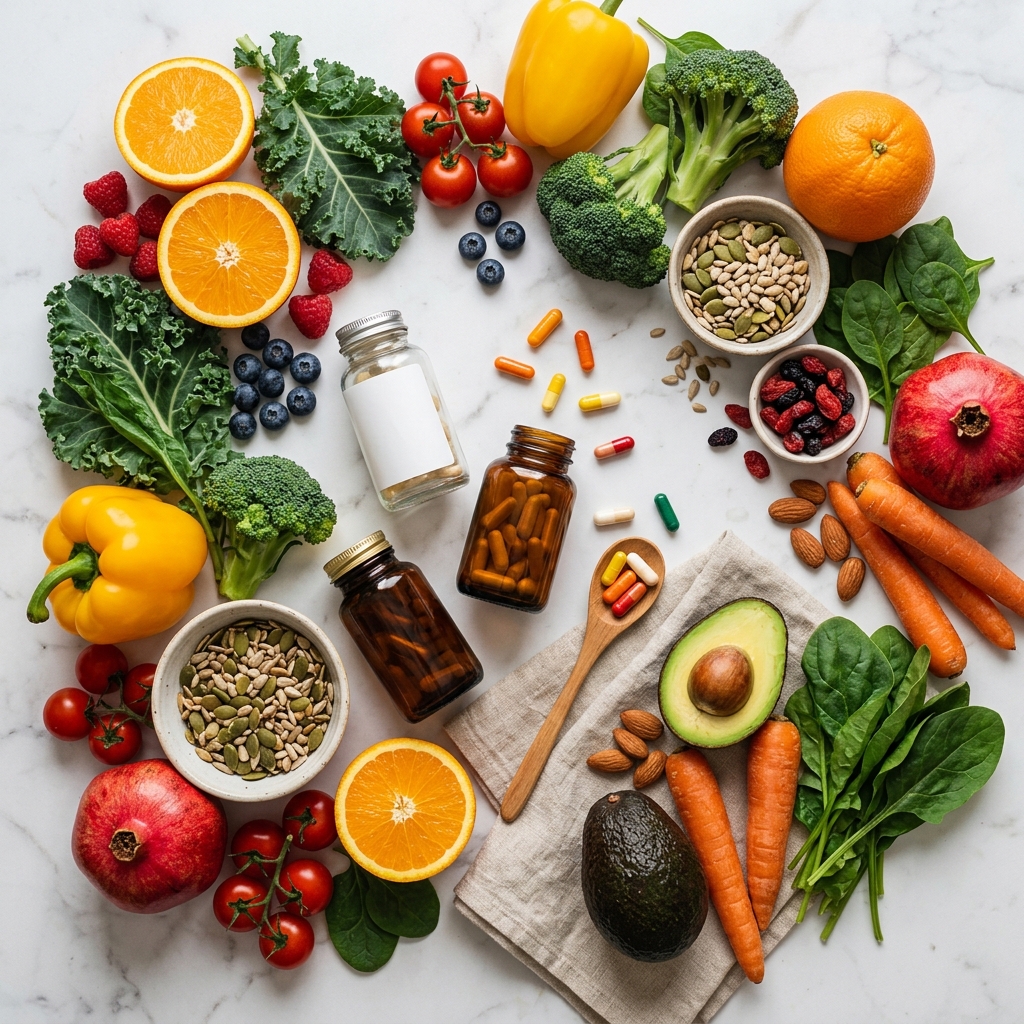
Vitamins and minerals are micronutrients that your body needs in small but critical amounts to function properly. They play essential roles in hundreds of biochemical processes — from converting food into energy and building strong bones to supporting your immune system and maintaining healthy skin. Despite their importance, vitamin and mineral deficiencies remain surprisingly common, even in 2026, affecting billions of people worldwide and contributing to a wide range of health problems.
In this comprehensive guide, we explore every essential vitamin and mineral your body needs, their best food sources, recommended daily allowances, deficiency symptoms, and evidence-based guidance on supplementation.
Understanding Vitamins — The Basics
Vitamins are organic compounds that your body cannot produce in sufficient quantities (or at all) and must obtain from food or supplements. They are classified into two categories based on how they are absorbed and stored in the body:
Fat-Soluble Vitamins (A, D, E, K)
These vitamins dissolve in fat and are stored in your liver and fatty tissues. Because they can be stored, you don’t need to consume them daily, but chronic excess intake can lead to toxicity. They are best absorbed when consumed with dietary fat.
Water-Soluble Vitamins (B-complex, C)
These vitamins dissolve in water and are not stored in the body — excess amounts are excreted through urine. You need to consume them regularly through your diet. This group includes all eight B vitamins and vitamin C.
Essential Vitamins — Detailed Guide
Vitamin A (Retinol / Beta-Carotene)
Functions: Essential for vision (especially night vision), immune function, skin health, cell growth, and reproduction. Beta-carotene also acts as a powerful antioxidant.
Best food sources: Sweet potatoes, carrots, spinach, kale, liver, eggs, dairy products, mangoes, papaya, and red bell peppers.
Daily requirement (RDA): 900 mcg for men, 700 mcg for women. Deficiency signs: Night blindness, dry eyes (xerophthalmia), poor wound healing, dry rough skin, frequent infections. Vitamin A deficiency is the leading cause of preventable childhood blindness globally.
Vitamin D (The Sunshine Vitamin)
Functions: Critical for calcium absorption, bone mineralization, immune regulation, mood regulation, and muscle function. Emerging research links adequate vitamin D levels to reduced risk of certain cancers, autoimmune diseases, and respiratory infections.
Sources: Sunlight exposure (15-20 minutes of midday sun on exposed skin), fatty fish (salmon, mackerel, sardines), egg yolks, fortified milk and cereals, mushrooms exposed to UV light.
Daily requirement: 600 IU (15 mcg) for adults, 800 IU for those over 70. Many experts recommend 1000-2000 IU daily, especially for people with limited sun exposure. India’s deficiency crisis: Despite ample sunshine, studies indicate that 70-90% of Indians are vitamin D deficient, largely due to indoor lifestyles, dark skin pigmentation, pollution, and dietary habits.
B Vitamins — The Energy Complex
The eight B vitamins work together as a complex to support energy metabolism, nervous system function, and cell health:
- B1 (Thiamine): Carbohydrate metabolism, nerve function. Sources: whole grains, legumes, pork
- B2 (Riboflavin): Energy production, skin health. Sources: dairy, eggs, green vegetables
- B3 (Niacin): Energy metabolism, DNA repair. Sources: chicken, tuna, mushrooms
- B5 (Pantothenic acid): Hormone and cholesterol synthesis. Sources: avocados, eggs, legumes
- B6 (Pyridoxine): Amino acid metabolism, neurotransmitter synthesis. Sources: bananas, chickpeas, poultry
- B7 (Biotin): Fat and carbohydrate metabolism, hair and nail health. Sources: eggs, nuts, sweet potatoes
- B9 (Folate): DNA synthesis, crucial during pregnancy (prevents neural tube defects). Sources: leafy greens, legumes, fortified grains
- B12 (Cobalamin): Nerve function, red blood cell formation, DNA synthesis. Sources: meat, fish, dairy, fortified foods
Important note for vegetarians: Vitamin B12 is found almost exclusively in animal products. Vegetarians and vegans are at high risk of B12 deficiency and should consider supplementation or fortified foods.
Vitamin C (Ascorbic Acid)
Functions: Powerful antioxidant, collagen synthesis (skin, wound healing), immune support, iron absorption enhancement, and neurotransmitter production.
Best sources: Indian gooseberry (amla — highest natural source), guava, kiwi, oranges, strawberries, bell peppers, broccoli, tomatoes. Daily requirement: 90 mg for men, 75 mg for women. Smokers need an additional 35 mg/day.
Essential Minerals
Calcium
The most abundant mineral in the body. Essential for bone and teeth structure (99% of calcium is in bones), muscle contraction, nerve signaling, blood clotting, and heart rhythm. Adults need 1000 mg daily (1200 mg for women over 50). Best sources include dairy products, ragi (finger millet), sesame seeds, leafy greens, tofu, and fortified plant milks.
Iron
Critical for hemoglobin production (oxygen transport in blood), energy metabolism, and immune function. Iron deficiency anemia is the most common nutritional deficiency worldwide, affecting over 50% of Indian women of reproductive age. Two forms exist: heme iron (from animal sources — better absorbed) and non-heme iron (from plant sources). Vitamin C dramatically improves non-heme iron absorption. Adults need 8-18 mg daily, with menstruating women needing more.
Zinc
Supports immune function, wound healing, protein synthesis, DNA synthesis, and taste/smell perception. Found in meat, shellfish, legumes, seeds, nuts, and dairy. Deficiency impairs immune response and wound healing. Daily requirement: 11 mg for men, 8 mg for women.
Magnesium
Involved in over 300 enzymatic reactions, including muscle and nerve function, blood sugar control, blood pressure regulation, and bone development. Many people don’t get enough magnesium. Best sources: dark chocolate, avocados, nuts, legumes, whole grains, and leafy greens.
Do You Need Supplements?
The best approach is to obtain vitamins and minerals from a balanced, varied diet. However, supplementation may be necessary in certain situations: vegetarians and vegans (B12, iron, zinc), pregnant and breastfeeding women (folate, iron, calcium, DHA), people over 50 (vitamin D, B12, calcium), individuals with limited sun exposure (vitamin D), those with diagnosed deficiencies, and people with malabsorption conditions.
Always consult a healthcare professional before starting any supplement regimen. More is not always better — excessive intake of certain vitamins (especially fat-soluble vitamins A, D, E, K) can cause toxicity. Choose supplements from reputable manufacturers that follow GMP standards.
Disclaimer: This article is for educational purposes only and does not replace professional medical or nutritional advice. Consult your healthcare provider for personalized dietary guidance.